
Digitizing the Non-human: Chinese Fantasy Film and Media in the Anthropocene

Digitizing the non-human: Chinese fantasy film and media in the Anthropocene

2022-2024 Principal Investigator, General Research Fund, “Digitizing the Non-human: Chinese Fantasy Film and Media in the Anthropocene” (Award Year: 2021/22, project number: 14601421), HKD429,209 (USD55,000), 01/01/2022-31/12/2023.

Our time of the Anthropocene is witnessed by the disappearance of landscapes such as rainforest and glaciers, and the extinction or diminishing of wild animals and plants. Paradoxically, they—along with exotic landscapes, otherly worlds, unnatural weather, fantastical creatures and non-human characters—have proliferated on big and small screens with the aid of computer graphic imagery (CGI) technology. Among this global wave of cinematic spectaculars, fantasy audiovisual works, or qihuan yingshi, have gained enormous popularity in the past two decades and are now a recognizable industry genre in China and Hong Kong. Analyzing the burgeoning and digitally-enhanced representations of the nonhuman worlds and characters in contemporary Chinese film, television and animation, this proposed project offers a new reading of fantasy media as an aesthetic experience of the Anthropocene. The proposed project contributes to existing studies in three ways. First, this project expands on recent scholarship on cinema and the Anthropocene by stressing the more-than-human dimension of Chinese fantasy cinema, which constructs or calls into question the meaning of human and humanity. It also supplements the existing scholarship on Chinese ecocinema, which tends to focus on documentaries or fictions that rely on realism as a major aesthetic repertoire. Second, by focusing on contemporary Chinese qihuan/fantasy media that engages the supernatural and the non-human, the project not only offers a discussion that complements as well as contrasts with the fantastic genre in the Euro-American context; it also offers a historically informed vision on the Chinese fantastic in the context of century-long censorship of the supernatural on Chinese screens in the name of modernity and progress. Exploring the imagination of the fantastic in the Chinese context, the project enriches the understanding of the Anthropocene, currently a predominantly Western concept that deals with periodization of the planet as a result of Western-styled modernization. Third, Digitizing the non-human delves into how digital technology, especially CGI, is not just a supportive tool but an active force influencing how we imagine our condition of the Anthropocene. In particular, it examines the cultural meanings of digital visual effects and animation in the context of the Anthropocene. 

數碼化的非人類:人類世視角下的華語奇幻影視

在人類世時代,我們目睹了雨林、冰川等地理景觀的消逝,以及大量野生動植物的滅絕。然而在數碼技術的幫助下,這些消失中的風景與動植物,連同奇異世界、奇幻生物和非人類角色,越來越多地出現在大大小小的屏幕上。在這波全球性的奇觀浪潮中,奇幻類影視作品於過去的二十年收穫了大量人氣,在中國內地和香港形成了極具特色的產業類型。本研究將分析當代華語電影、電視和動畫中與日俱增的非人類角色與他們生活的環境,並將這些角色與空間置於人類世的審美視野之中,藉此為奇幻研究提供新的解讀。 首先,該研究將擴展人類世與電影的研究,通過華語奇幻影視中人類以外的維度來反觀人類與人文的意義。過去華語生態電影研究往往側重真實環境佈景的紀錄片和寫實主義的劇情片,而本研究則將數碼虛擬場景的分析引入這一研究圖景。其次,該研究關注當代華語奇幻作品中的超自然現象與非人類角色,與歐美語境下的奇幻研究形成補充和對照。人類世的概念指由西方式現代化導致的地球分期,而本研究在中國語境中探索奇幻想像,這將豐富我們對人類世的理解。同時,本研究將奇幻影視置於華語電影具體的歷史脈絡之中。一個多世紀以來,以現代化、科學進步為名對銀幕上的超自然現象的審查從未休止。第三,數位技術不僅僅是一種技術工具,本研究將探討它如何影響大眾對人類世環境的想象,以及這一技術如何形塑人類世背景下數位視覺效果及動畫作品的文化意義。 人類世作為一種媒介化的建構,其美學原則是由數碼電影技術塑造的。本研究將利用影視產業研究數據和資料,通過對影視媒體製作人、視覺效果設計師、動畫藝術家的採訪,結合影視作品的文本分析,探討人類世的媒體理論框架。   
Getting Older on Screen: The Cultural Politics of Ageing in Hong Kong Cinema

Getting Older on Screen: The Cultural Politics of Ageing in Hong Kong Cinema 

2021-2022  Principal Investigator, “Getting Older on Screen: The Cultural Politics of Ageing in Hong Kong Cinema,” Direct Grant for Research, the Chinese University of Hong Kong, HKD $87,300.

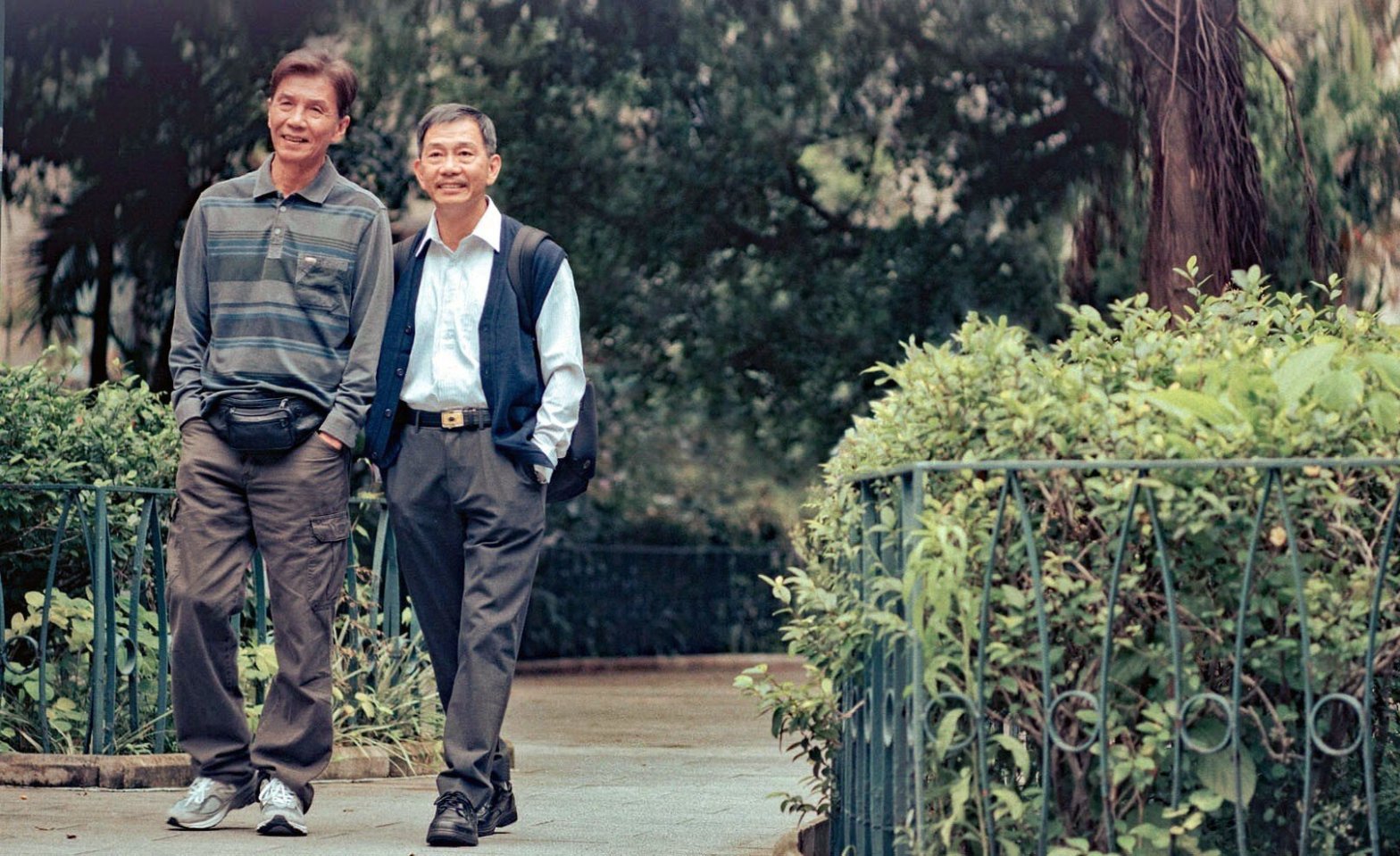
Ageing is taking on unprecedented attentions and spotlights, globally as well as in Asian societies. Though ageing in Asia has been receiving growing scholarly interests, there is a tendency to focus on medical, social welfare and policy perspectives. Meanwhile, while the representation of older people has been heatedly discussed in cinema and cultural studies, most of the published papers focus on the Euro-American context. In the past few years, quite a few Hong Kong films portray older characters as protagonists or engage with age and ageing thematically. Getting Older on Screen asks: what are the narrative and aesthetic characteristics of these films? How do these films reinforce, negotiate or challenge the cultural politics of ageing? This research project explores the representation of older people on the big screen in Hong Kong as a case study of cultural gerontology. Adding to existing social science literature on ageing, this cultural studies project aims to approach the representation of older people in films, which also re-orients ageing studies and film studies to the Asian context. 

Image credit: New Voice Film Productions Ltd

Mediating quan: Human Rights and Feminist and Queer Media Culture in China

Mediating quan: Human Rights and Feminist and Queer Media Culture in China

2019-21 Principal Investigator, General Research Fund, “Mediating quan: Human Rights and Feminist and Queer Media Culture in China” (Award Year: 2018/19, project number: 14612818), HKD381,000 (USD 48,900), 01/01/2019-31/3/2021.

In recent years, the term quan (权), which serves as the Chinese translation of “rights,” has gained currency in feminist and queer activism in China as exemplified by the popularity of rights-related terms such as nüquan (women’s rights), quanli (rights and interests) and quanyi (rights and benefits) for sexual and gender minorities. As political and legal reforms remain difficult, many of these activist practices take media-related forms such as women’s and queer film festivals or media campaigns to advocate different forms of quan for women and sexual minorities. What does the term quan actually mean when used by different individual feminist and queer activists and communal organizations in different contexts? What is the relationship between quan and the idea of human rights? How do the activists use media to engage, develop, or challenge quan and other rights-related concepts relevant to gender/sexuality? Furthermore, how do these quan and rights-based media practices in China shed light on current scholarly discussions on human rights? This study will look at feminist and queer media culture in China as processes that articulate, generate, and contest rights-related concepts and practices in order to create a dialogue between critical human rights studies that caution against Eurocentric, normativized, and teleological conceptions of rights (L. H. Liu 2014; Duggan 2002; Puar 2007), and the studies of rights-based feminist and queer social movements that stress the usefulness and importance of the rights discourse (Merry 2005). Drawing from semi-structured interviews with various NGO staff and volunteers, analysis of selected media texts and campaigns that promote the discourse of quan, participant observation in selected ongoing film festivals and media events, this project will offer new conceptualization of quan as mediation of feminist and queer rights that problematizes the Eurocentric, normativized, and teleological conceptions of rights, while not falling into the trap of Chinese cultural exceptionalism. 

近年來,「權」這個字以及相關概念如「女權」、性小眾「權利」和「權益」等在中國女權及酷兒運動中有一定能見度 。 面對政治和法律改革的困難,這些運動多以媒體相關形式來推動,比如舉辦女性及酷兒影展或媒體活動,為女性和性小眾發聲,爭取各樣「權」。當「權」為不同女權人士、酷兒運動者和組織在不同語境所採用時,它的實質定義是甚麼?女權及酷兒運動人士如何使用媒體來提出、推動或挑戰「權」以及其他性/別權益相關的概念?更重要的是,中國這些與「權」相關的媒體運動為現今學術界對權的討論帶來甚麼啟示? 本研究將深討中國女權及酷兒媒體文化如何傳遞、生成和爭辯各種權益相關概念的過程,由此與西方人權的批判理論研究,以及女權及酷兒運動的社會學研究進行對話。透過與相關組織的人員和義工進行半結構式訪談,分析所選媒體文本和運動對「權」的相關討論,並參與觀察研究當前影展和媒體活動,本研究將探討中國女權及酷兒運動中「權」的實踐如何對西方中心、規範化和目的論的人權概念提出質疑,又免於陷入中國文化例外主義的論述。 

Visualizing Gender/Sexuality: Feminist and Queer Film Festivals in China

Visualizing Gender/Sexuality: Feminist and Queer Film Festivals in China  

性/別影像:中國女權與酷兒電影節 

2017-2018  Principal Investigator, “Visualizing Gender/Sexuality: Feminist and Queer Film Festivals in China,” Direct Grant for Research, the Chinese University of Hong Kong, HKD 70,000.

Since the early 2000s, a variety of gender/sexuality-themed film festivals and serialized film screening events have been used to promote sexual and gender diversity in China. What are the implications of the emergence of these gender/sexuality-themed film festivals and screening events? How are they conceived, executed, and received? In particular, how should we look at the adoption of English terms such as “queer” or “pride” or their use of “women” and “gender” in these cultural events? Can these film festivals/events be considered as what Lydia Liu has called “translingual practices” in the era of increasingly global feminist and queer visibility? Do they confirm or contest the “teleological development” narrative in the kind of feminist and queer globalization? By examining the above questions, this project will contribute not only to the debate on queer globalization, but also to existing scholarship on film festivals.  

Digitized Engagements: Feminist and Queer Media Activism in China

Digitized Engagements: Feminist and Queer Media Activism in China  

2015-17 Principal Investigator, Early Career Scheme, Research Grants Committee, “Digitized Engagements: Feminist and   Queer Media Activism in China” (Award Year: 2015/16, project number: 22607115), HKD324,080 (USD41,590), 01/09/2015-30/11/2017.

In the last decade, aided by the development of communication technologies, feminist and queer media activists in China have been using a variety forms such as documentary workshops, online campaigns, webcasts, webzines and so on to promote sexual and gender diversity. In this process, digital technology has played an unprecedented role in assembling nvquan (feminist) or kuer (queer) discourses and practices in community building, public education and advocacy. Despite the significant growth of feminist and queer media practices in China for more than ten years, not much has been written about this subject. The explanation for such under-exploration is twofold. On one hand, while many studies explore how digital technology has influenced the production, circulation, and consumption of feminist and LGBT (lesbian, gay, bisexual and transgender) media in the American, European and other Asian contexts, the research on feminist and queer media in China is disproportionally small. On the other hand, although research on communication technologies in China, particularly Internet activism, has flourished considerably, the issues of gender and sexuality remain marginalized. Intersecting feminist and queer media studies and studies on communication technologies in China, this project aims to examine how digital technology informs the development of feminist and queer activism in China, and, at the same time, how alternative media practices attuned to gender and sexuality issues can shed light on feminist practices and the queering of digital technology. Drawing from semi-structured interviews with various feminist and queer media practitioners, analysis of key events and media productions, participatory observation, as well as documents from relevant organizations, this project will analyze the convergence of digital media and feminist and queer activism in China. Ultimately, the project will generate a scholarly understanding of how digital technology informs the development of feminist and queer activism in China. It will also make available a bilingual online database for archiving feminist and queer media activism, providing useful information for the general public in China and Hong Kong. 

數字化參與:中國女權與酷兒媒體行動主義  

在過去的十年間,隨著通訊科技的發展,中國的女權/女性主義和酷兒媒體行動者運用不同的方式,包括紀綠片工作坊、電影節、網絡廣播和網路雜誌等來推動性和性別多元。在這個過程中,數字化技術在聚集女權/女性主義或酷兒論述和實踐、建立群體認同以及公眾教育和倡導方面扮演著前所未有的位置。雖然在過去的十幾年間中國女權主義和酷兒媒體有重要的增長,但是關於這方面的研究卻很少。一方面,很多研究是關於數字化技術在美國、歐洲或亞洲其他地區如何影響女性主義和酷兒媒體的製作、發行和消費,而對於中國的女權主義和酷兒媒體的研究是不合比例地少。另一方面,關於中國通訊科技的研究,特別是互聯網行動主義的研究是相當蓬勃的,可是,性和性別的議題是被邊緣化的。通過訪談女權主義和酷兒媒體參與者、分析重要的事件及媒體製作、參與觀察、查閱相關組織的紀錄,此項目將會分析中國數字化媒體與女權和酷兒行動主義的關係。